Why the weight will not move in perimenopause, and what actually changes it
The same plan that worked at thirty stops working at forty five. That is not failure, it is a different body with different requirements.
By Adri Daniel · 4 August 2026
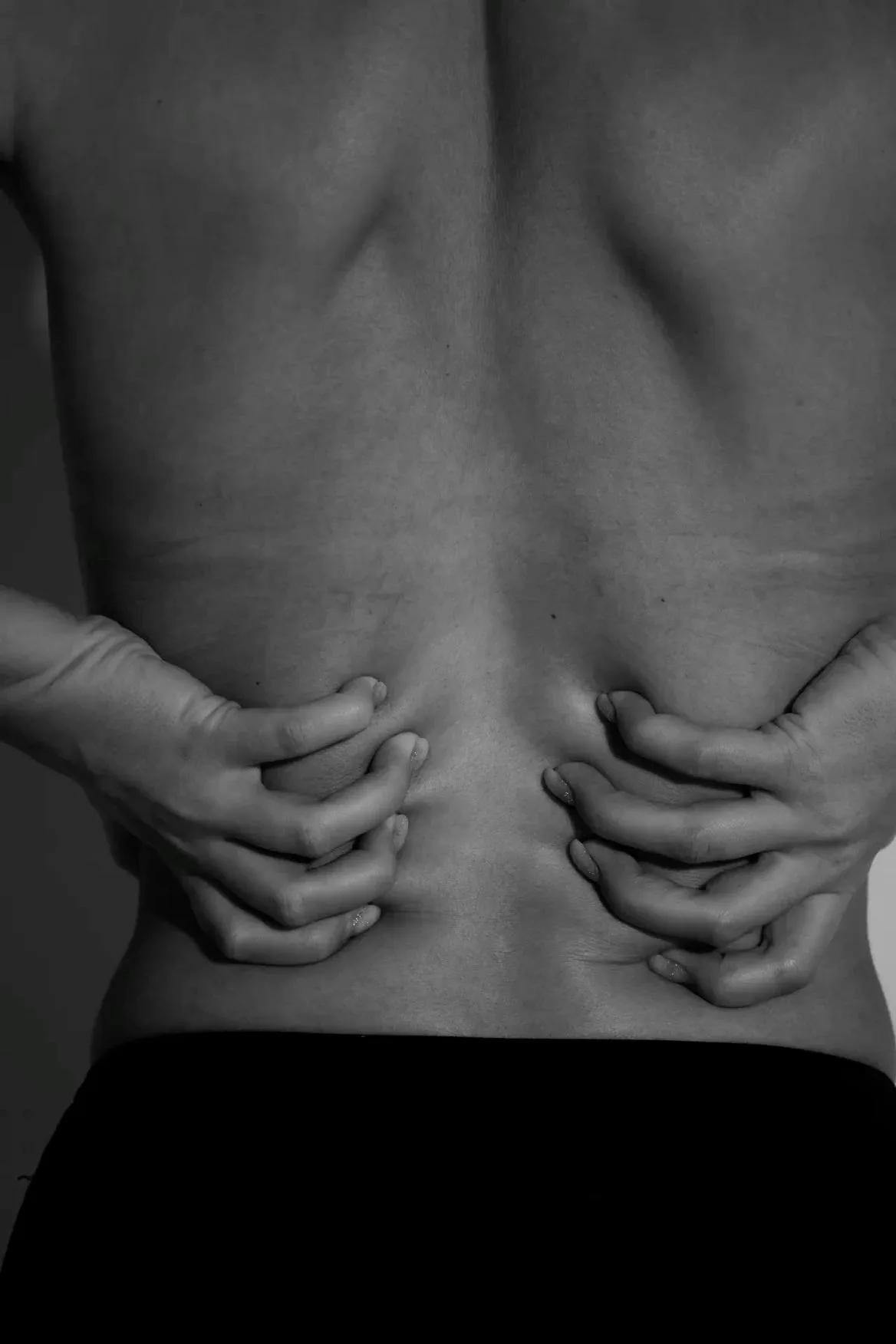
The most common sentence we hear from women in their forties is some version of this: I am doing exactly what I used to do, and my body is doing something completely different. It is worth saying clearly that this is a real physiological shift, not a story you are telling yourself.
What actually changes
Oestrogen does not simply decline in perimenopause. It fluctuates, sometimes wildly, before it falls. Oestrogen influences where fat is stored, how sensitive your cells are to insulin, and how well you sleep. As it becomes erratic, fat storage tends to shift from hips and thighs towards the abdomen, and insulin sensitivity often reduces.
At the same time, muscle mass declines gradually from the mid thirties unless it is actively defended. Muscle is where most glucose is taken up after a meal. Less muscle means more circulating glucose, more insulin, and a body that stores more readily from the same food.
Why eating less usually backfires here
The instinct is to eat less and train harder. In a body already dealing with fluctuating oestrogen, disrupted sleep and a full life, this adds stress load to a system that is already carrying too much. Cortisol rises, sleep gets worse, muscle is lost preferentially over fat, and the weight either stalls or returns quickly.
In midlife, the goal shifts from taking things away to putting the right things back.
The order that tends to work
- Protein first. Aim for a substantial serving at every meal, starting with breakfast, to protect muscle and blunt the glucose response
- Two strength sessions a week, non negotiable, because muscle is metabolic real estate you can rebuild at any age
- Sleep treated as a training variable, not a luxury, with a consistent wake time and a genuinely dark cool room
- Walking daily, particularly after meals, which lowers post meal glucose without adding cortisol
- Alcohol looked at honestly, because it disrupts deep sleep and raises next day appetite more than most women expect
- Only then, if needed, a modest adjustment to overall intake
How long it takes
Energy and sleep usually shift within two to three weeks. Body composition tends to follow over two to three months, and it often shows up in how clothes fit before it shows up on the scale, because muscle is being rebuilt while fat reduces. Weighing daily during this period tells you very little and costs a great deal emotionally.
If your cycle has become unpredictable, if you are waking at 3am, or if mood has changed in a way that feels unlike you, those are worth raising with a clinician alongside anything you change at home. Hormone therapy is a legitimate option for many women and is a conversation to have with information rather than fear.
Your next step
Which of these is actually driving your symptoms?
The free hormone quiz takes a few minutes and gives you one clear picture of what is most likely going on, plus where to begin.
Take the free quizCommon questions
- Is perimenopause weight gain inevitable?
- No. Some redistribution of body fat is common, but significant weight gain is not inevitable. Protecting muscle, prioritising protein and protecting sleep changes the trajectory for most women.
- Should I eat fewer calories in perimenopause?
- Usually not as a first step. Aggressive restriction tends to raise stress load and cost muscle, which makes the problem worse over time. Adding protein and strength training generally comes first.
- Why is the weight going to my middle now?
- Declining and fluctuating oestrogen changes where fat is preferentially stored, shifting it towards the abdomen. Reduced insulin sensitivity and lower muscle mass add to the effect.