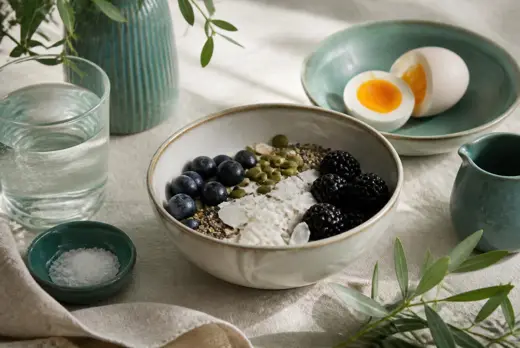
Protein for women over 35, the quietest change with the biggest return
Not a trend and not a shake habit. Protein is the input that makes almost every other hormonal change easier to hold.
By Adri Daniel · 23 June 2026
Of everything we change with women in their late thirties, forties and fifties, protein is the least interesting to talk about and the most consistently effective. It settles cravings, steadies energy, protects muscle through a decade when muscle quietly leaves, and it does all of this without asking anyone to give up the food they love.
Why it matters more now than it did at twenty five
From your mid thirties, muscle mass declines gradually unless you actively defend it. At the same time, the body becomes less efficient at using dietary protein to build with, a shift researchers describe as anabolic resistance. The same amount of chicken does less than it used to. Falling oestrogen through perimenopause compounds this further.
Muscle is not about appearance here. It is the largest site of glucose disposal in the body, which means it is the tissue that decides how well you tolerate carbohydrate, how stable your energy is, and how easily your body handles a normal meal.
How much you actually need
The population minimum of around 0.8 grams per kilogram is set to prevent deficiency, not to support an active woman in midlife. Most women do considerably better somewhere between 1.2 and 1.6 grams per kilogram of body weight per day, weighted toward the earlier part of the day.
Why breakfast is the meal that changes things
Most women eat almost all of their protein at dinner, which means the entire first half of the day runs on carbohydrate and caffeine. That produces the mid morning dip, the two o'clock crash and the six o'clock craving that feels like a personality trait rather than a blood sugar curve.
Moving thirty grams of protein into the first ninety minutes of the day is the single change with the fastest visible return. Women usually notice within ten days, and they notice it as an absence: the afternoon craving simply does not turn up.
What thirty grams actually looks like
- Three eggs with feta and a slice of good bread
- Greek yoghurt with berries, seeds and a spoon of nut butter
- Leftover dinner protein with tomatoes and olive oil, which is entirely allowed at eight in the morning
- Cottage cheese on toast with black pepper and olive oil
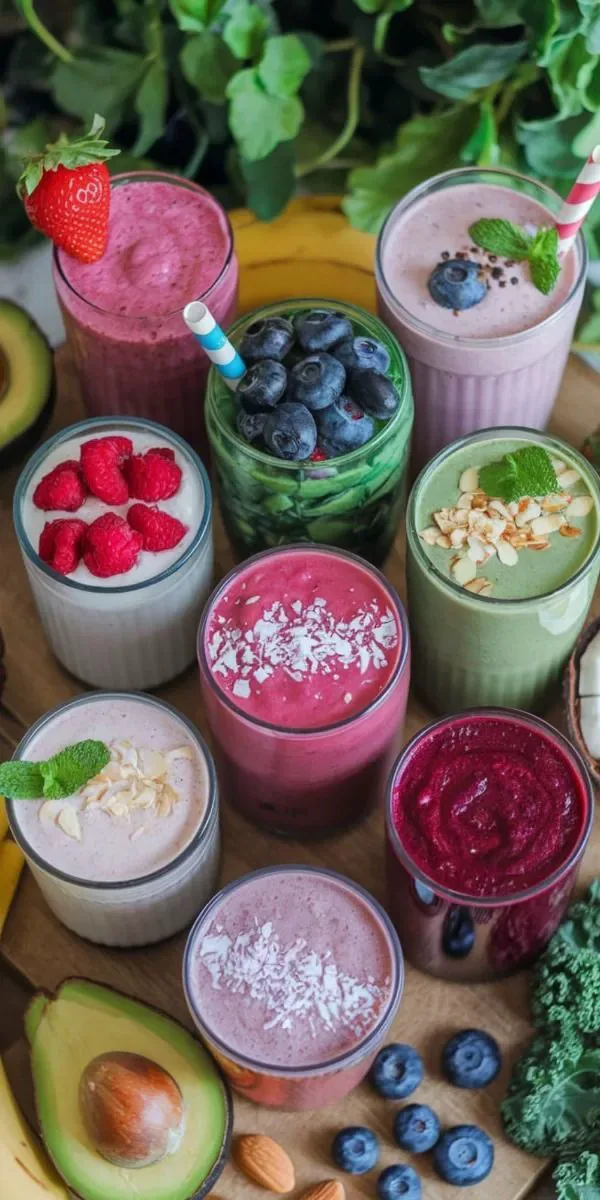
- A smoothie built on a genuine protein base rather than fruit alone
Adding is easier to keep than removing. This is the whole reason it works.
The common mistakes
- Counting a latte and a banana as breakfast
- Relying on protein bars, which are usually a confectionery product with a claim on the front
- Adding protein while cutting carbohydrate hard at the same time, which raises stress load in an already stressed system
- Assuming more is always better, when consistency across the day beats one enormous evening portion
What tends to change
Within two weeks, most women report steadier energy and quieter cravings. Within six to eight weeks, alongside some resistance training, body composition begins to shift even when the number on the scale moves slowly. Recovery from training improves, and so does the sense that food is working with you rather than against you.
Nothing about this is dramatic, which is exactly why it lasts.
Your next step
Which of these is actually driving your symptoms?
The free hormone quiz takes a few minutes and gives you one clear picture of what is most likely going on, plus where to begin.
Take the free quizCommon questions
- How much protein should a woman over 40 eat per day?
- For most active women, somewhere between 1.2 and 1.6 grams per kilogram of body weight, spread across the day with a meaningful portion at breakfast.
- Will eating more protein make me bulky?
- No. Building visible muscle requires sustained progressive training and a calorie surplus. Protein in midlife is about protecting the muscle you already have and keeping blood sugar steady.
- Are protein shakes necessary?
- Not at all. Food first is preferable. A shake is a convenience for a genuinely rushed morning, not a requirement.