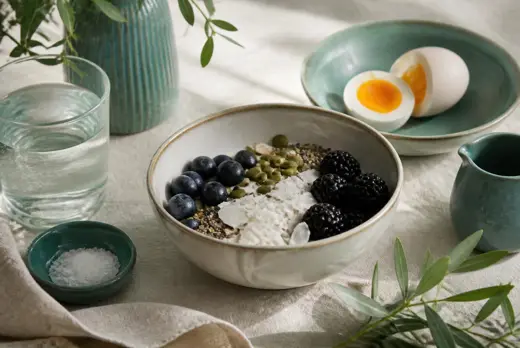
A hormone conscious approach to food, movement and rest
If you have searched for a “hormone conscious approach”, you may have found plenty of rules. Eat this. Avoid that. Exercise at a certain time. Plan every meal around your cycle.
By Adri Daniel · 29 October 2026

If you have searched for a “hormone conscious approach”, you may have found plenty of rules. Eat this. Avoid that. Exercise at a certain time. Plan every meal around your cycle.
It can feel like another job.
Here at The Hormone Method, the aim is to make these conversations simpler. Adri Daniel is a hormone coach trained in naturopathic nutrition, not a doctor.
You do not need to do everything at once. You can start by looking at your everyday habits with curiosity, rather than judging yourself.
What does a hormone conscious approach mean?
Here, it means considering food, movement and rest together. It also means making room for your preferences, budget, responsibilities and medical needs.
Hormones are chemical messengers that help manage processes such as appetite, sleep and the menstrual cycle. But not every change in how you feel is caused by hormones.
That distinction matters. A social media checklist cannot tell you whether you have a hormone condition.
You might begin with a few questions. Are meals often squeezed out of your day? Does exercise feel enjoyable, or like a debt you owe? Is there any space left for rest?
These are prompts, not a test. You do not need a perfect routine before you deserve care.
Food without a long list of rules
A hormone conscious approach does not need to begin with cutting foods out. Start by looking at what is available, affordable and enjoyable.
Meals that include protein, fibre and fat can help you feel satisfied. Carbohydrates provide energy and do not need to be avoided simply because you are thinking about hormone health.
You might try one of these simple meal ideas:
- Porridge with milk or a suitable alternative, fruit and nuts.
- Rice with beans, vegetables and olive oil.
- Toast with eggs or tofu, plus something fresh you enjoy.
These are examples, not a meal plan. Swap ingredients to suit your taste, culture, allergies and budget.
Frozen vegetables, tinned beans and ready cooked rice are welcome here. You do not have to cook every ingredient from scratch.
There is also room for food chosen simply because you like it. A shared dessert does not need a lecture attached to it.
If you have a diagnosed condition or specific dietary needs, ask a qualified health professional for advice that fits your situation.
Movement that fits your actual life
Before choosing a workout plan, consider what you enjoy and what you can realistically repeat.
Walking, dancing, swimming and strength exercises all count as movement. Regular physical activity can support heart health, mood and sleep.
That does not mean every session needs to be hard.
You might prefer a class with a friend. You might enjoy lifting weights. On a busy day, a short walk may be the option that fits.
Some women notice changes in energy or exercise comfort across their menstrual cycle. You do not have to follow a strict cycle calendar. You can decide what feels suitable on the day.
Pain, dizziness or unusual breathlessness during exercise deserve medical advice, rather than pressure to keep going.
There is no prize for choosing the most demanding option. Choose something you are willing to make space for.
Rest deserves room too
Rest is often what gets whatever time is left. It is worth asking whether that arrangement works for you.
Sleep supports attention, mood and the regulation of appetite. Yet sleep is not always something you can improve just by trying harder.
Caring duties, shift work, noise and money worries can make bedtime advice feel unrealistic. Start with what is within your control.
Perhaps that means leaving one evening free of plans. Perhaps it means asking someone to share a task. You might choose a bedtime you can usually keep, without treating it as another strict rule.
Caffeine can make it harder to fall asleep or stay asleep, especially when taken later in the day. If you suspect a connection, consider trying an earlier last cup.
A brief note about sleep and symptoms may be useful when speaking with your doctor. Keep it simple. You do not need to track every detail.
When to see a doctor
Everyday habits are not a substitute for medical care.
Speak with a doctor about persistent tiredness, missed periods, new changes in your cycle or symptoms that affect daily life. Heavy bleeding, ongoing sleep problems and unexplained weight changes also deserve medical review.
These symptoms can have several causes, including causes unrelated to hormones.
Seek urgent medical help for chest pain, fainting, severe pelvic pain or very heavy bleeding with dizziness.
You do not need to arrive with a diagnosis. Explain what has changed, when it started and how it affects you.
Your next step
Which of these is actually driving your symptoms?
The free hormone quiz takes a few minutes and gives you one clear picture of what is most likely going on, plus where to begin.
Take the free quizCommon questions
- Do I need hormone testing before I start?
- You can begin reflecting on your habits without buying a test. Whether hormone testing is useful depends on your symptoms, medical history and other factors. Discuss that decision with your doctor.
- Do I need supplements?
- Not automatically. Supplements can interact with medicines, and some are unsuitable during pregnancy or for certain health conditions. Ask a pharmacist or doctor before starting one.
- What should I change first?
- Choose one manageable action. You could plan an easy lunch, arrange a walk with a friend or leave more space in your evening. Try it without demanding perfection.